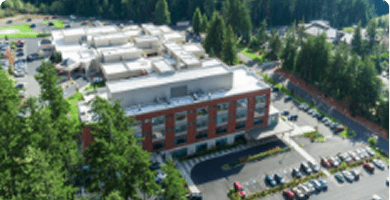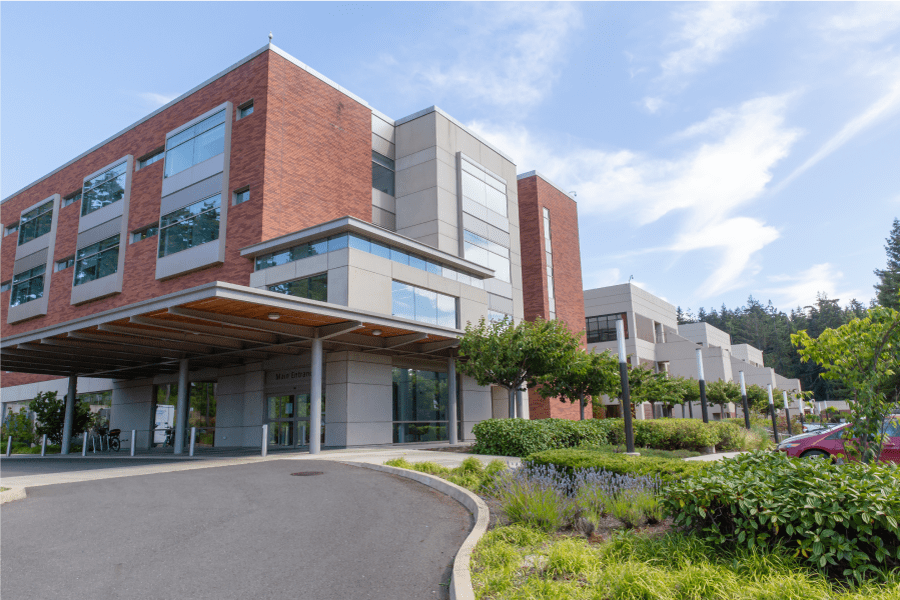
1775 Thompson Rd, Coos Bay, Oregon 97420

(541) 269-8111

Interventional
& Radiology

You deserve to feel supported every step of the way. At Bay Area Hospital’s Interventional Radiology services and the Prefontaine Center for Peripheral Artery Disease, we are committed to guiding you through your patient journey with care and compassion.

Our dedicated team includes highly skilled physicians, nurturing nurses, and adept technicians and support staff.
Request Information

Explore Our Treatments

What is Interventional Radiology?

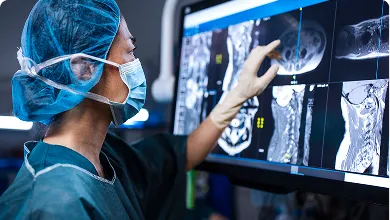
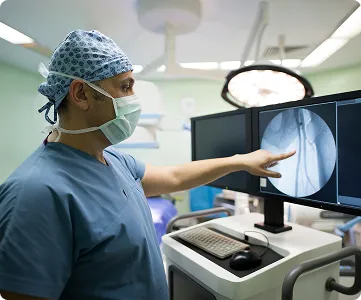
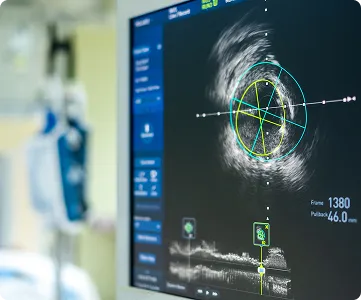
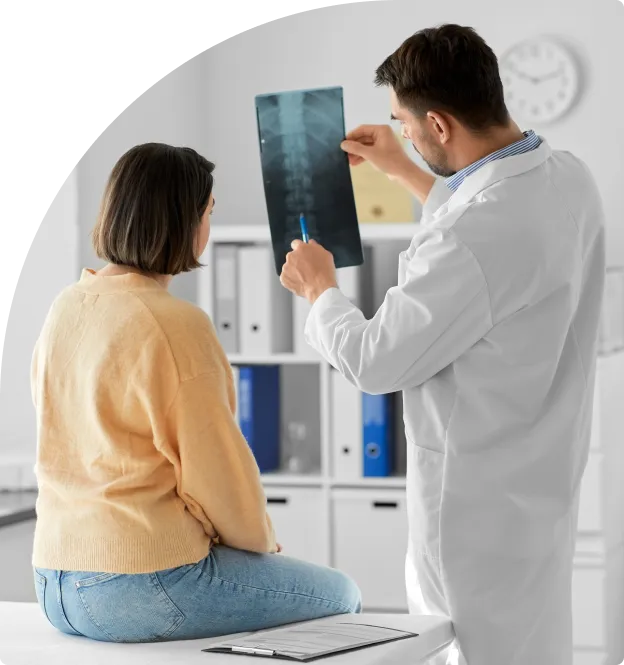
Interventional radiology (IR) is a medical specialty that uses advanced imaging technology—such as X-ray, fluoroscopy, CT, MRI, and ultrasound—to perform minimally invasive procedures. These image-guided treatments allow physicians to target disease precisely while reducing pain, risk, and recovery time.

Interventional Radiology Procedures Typically Result in:

  • Smaller incisions
  • Lower complication rates
  • Shorter hospital stays
  • Faster recovery times

Why Choose Us?

When something feels wrong, clarity matters. Our interventional radiology services focus on patient-centered vascular care, supported by advanced technology and coordinated specialty teams. We emphasize early diagnosis and intervention, personalized treatment plans and clear communication and education.

If you’re experiencing unexplained symptoms, our team can help identify the cause and recommend appropriate treatment options.

Specialized Expertise

Advanced training you can trust.

Our board-certified physicians bring extensive experience in vascular and limb-preservation procedures. Using image-guided, minimally invasive techniques whenever possible, our team helps reduce discomfort, shorten recovery times, and support better long-term results.

Multi-disciplinary Care Teams

Care designed around you.

Our collaborative teams develop personalized treatment plans based on your condition, goals, and overall health. We prioritize clear communication and coordinated care to ensure every decision supports your best possible outcome.

Advanced Care Near Home

Expert care, close to home.

You don’t need to travel far to receive high-quality vascular treatment. Our specialized programs—including the Wound Care & Hyperbaric Center, Prefontaine Cardiovascular Center, and Limb Preservation services—work seamlessly together to provide coordinated care in one convenient location.

Our Treatments

We offer a full range of surgical and non-surgical treatments to relieve pain, restore function, and support your long-term recover.

Vascular Interventions

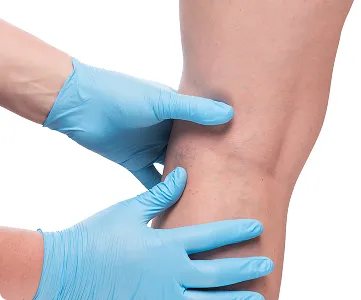
Preventing, diagnosing, and treating diseases of the arterial, venous, and lymphatic system is a specialty known as Vascular Medicine, often an option for treating vascular disease. Interventional Radiologists use their expertise to help treat patients with various methods including Angioplasty and Stenting; Embolization, Thrombolysis/Thrombectomy or Endovascular Repair (EVAR).

Wound Care

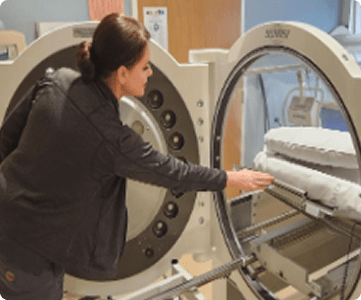
Such as hyperbaric oxygen therapy or HBO, increases the amount of oxygen your blood can carry, promoting healing while fighting infection. The process works by stimulating the formation of tiny blood vessels — a process called “angiogenesis.”

Vascular Diagnostics and Imaging

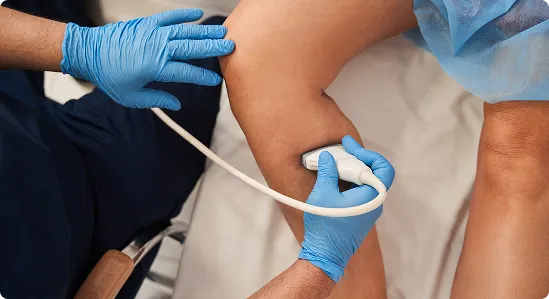
We have highly trained, Board-Certified interventional radiologists and staff who use advanced imaging such as CT scans, MRIs, Ultrasound, and X-rays to help diagnose and provide a variety of ultrasound procedures and studies to help diagnose and treat vascular disease.

Interventional Oncology

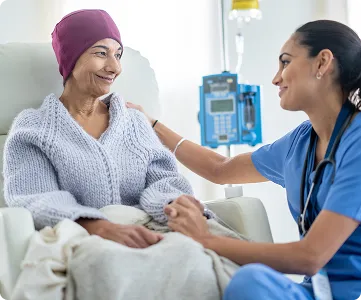
Our providers can provide treatments for cancer patients such as:

  • Ablation: Destroying tumors using extreme cold (cryoablation) or heat (radiofrequency/microwave ablation).
  • Chemoembolization/Radioembolization (SIRT): Delivering chemotherapy or radiation directly to liver tumors via the blood supply.
  • Histotripsy: Using focused ultrasound to break down tumor cells
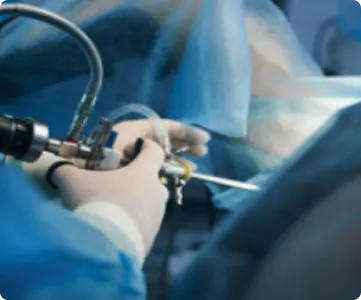
Arthroscopy surgery

A minimally invasive surgical technique that allows surgeons to examine, diagnose, treat, and perform surgical repairs for various vascular conditions.  Recovery time is shorter, surgical risks are lower, and you are up and around doing what you love to do.

Non-Surgical Treatments

Include compression therapy, physical therapy, medications, lifestyle modifications, and minimally invasive procedures. Other interventions might include doing biopsies, drainage procedures, vertebroplasty/kyphoplasty and access port placement. These advanced techniques offer advantages over traditional surgery and are an excellent option for those seeking minimal discomfort and downtime.

Limb Preservation

Our Limb Preservation Program brings together interventional radiologists, vascular surgeons, orthopedic specialists, and wound care experts to treat patients at high risk of amputation. As part of that care, wound care specialists determine whether patients may benefit from hyperbaric oxygen therapy or services offered through our Wound and Hyperbaric Center.

Disease and Amputation

When a limb has deteriorated to the point where it can no longer heal, it becomes a health hazard and requires amputation. There are a few conditions that may cause this, and most of them can be identified in the occurrence of a non-healing wound.

Diabetes

One of the possible side effects of diabetes is cardiovascular disease and poor circulation. If you have diabetes and stop feeling sensations in one of your extremities, it may mean blood has stopped flowing to the area. Any area that cannot feel pain is dangerous as it can suffer a wound and get infected without the person realizing it until it’s too late, thus amputation is required to prevent a potentially life-threatening condition.

Poor Circulation

Cardiovascular disease can cause your arteries to narrow, making it difficult for blood to flow to extremities. Without blood, your body does not receive the oxygen
and nutrients it needs to survive and the tissues will begin to die.

Tumors

If a tumor grows on a bone or muscle and does not respond to treatment, amputation may be the only means to remove it. Our team works to prevent this by applying treatment quickly and diligently monitoring the tumor so we can decide if amputation is necessary or not before the cancer has a chance to spread.

Infected Wounds

When a wound gets infected, it needs to be carefully monitored for signs of infection. Without proper antibiotics and treatment, the tissue will die and require amputation.

Meet Our Specialists

Our collaborative, dedicated team is dedicated to delivering compassionate, expert vascular care throughout Coos Bay and Oregon’s south coast.

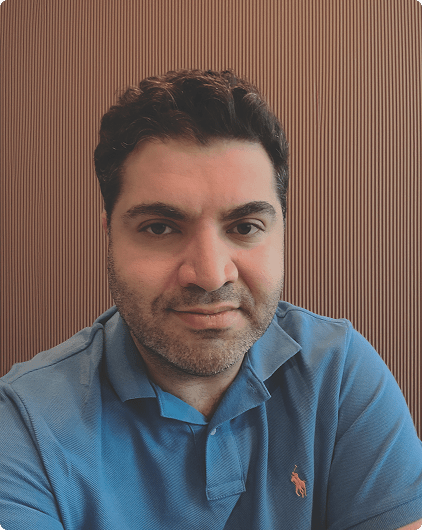
Dana Safavian, MD

Dr. Dana Safavian brings extensive experience in minimally invasive, image-guided procedures and a vision to expand access to advanced vascular and interventional radiology services along the Oregon Coast. As director of the Limb Preservation Program at Bay Area Hospital, his main focus is providing endovascular solutions for patients with peripheral vascular disease. His approach combines clinical precision with compassionate communication, striving to maximize patient safety, outcomes, and overall satisfaction. He earned his medical degree from the University of Virginia and completed his Vascular and Interventional Radiology training at Brigham and Women’s Hospital, Harvard Medical School.

Dr. Safavian has expertise in a broad spectrum of vascular and nonvascular interventions, with a special focus on peripheral vascular disease, joint pain, and newer cancer therapies. He is an active member of the Society of Interventional Radiology. In his free time, he enjoys exploring the Oregon Coast and traveling.

Let’s Get You Healed

Ready to take the next step?

  • Patients: Request more information or support
  • Referring providers: Include clinical practice name below

Complete the form below, and our team will be in touch.

Bay Area Hospital

(541) 269-8111
1775 Thompson Rd, Coos Bay, Oregon 97420

Bay Area Hospital Contact Us